Discover the Land of the Rising Sun through our specially crafted Japan Tour Packages, designed to suit every kind of traveler. India Japan tour packages cover the most enchanting destinations such as Tokyo, Kyoto, Osaka, Hiroshima, Nara, Hakone, Nikko, Sapporo, and the iconic Mount Fuji region — all offering an extraordinary blend of ancient samurai culture, ultramodern technology, breathtaking natural landscapes, and world-renowned cuisine. These tours range from focused 5-day city breaks to comprehensive 14-day cross-country journeys, perfectly suited for families, couples, honeymooners, solo travelers, culture enthusiasts, and adventure seekers alike.
Our Japan honeymoon packages from India are among our most treasured offerings, featuring traditional ryokan (inn) stays with private onsen (hot spring) baths, kaiseki multi-course dinner ceremonies, romantic walks through bamboo forests and cherry blossom parks, and private Mount Fuji sunrise experiences. Whether you dream of witnessing the world's most spectacular cherry blossom season, meditating in a thousand-year-old Zen garden, watching the neon lights of Tokyo's Shibuya Crossing, or soaking in a volcanic hot spring while snow falls gently around you, our Japan travel packages from India make every moment unforgettable.
Japan holiday packages start from ₹89,999 and extend to ₹3,50,000 per person depending on duration, hotel category, and itinerary. Bookings are available from all major Indian cities including Delhi, Mumbai, Bangalore, Chennai, Hyderabad, Kolkata, Kochi, and Ahmedabad. All packages include round-trip flights, airport transfers, daily breakfast, guided sightseeing, Japan Rail Pass, and accommodation in 3-star, 4-star, or 5-star hotels and traditional ryokans. Special honeymoon and anniversary arrangements are available on request.
Japan is unlike anywhere else on earth — a civilization that has spent millennia refining beauty, craftsmanship, hospitality, and harmony to a degree of perfection that consistently leaves visitors speechless. It is a country where a bowl of ramen can be the result of 30 years of dedicated craft, where a simple tea ceremony contains an entire philosophy of life, where ancient Shinto shrines and Buddhist temples coexist in serene harmony alongside the world's most technologically advanced cities, and where extraordinary natural beauty — cherry blossoms, crimson autumn leaves, snow-capped volcanoes, tropical islands — changes with every season.
For Indian travelers, Japan represents a destination of profound aspiration — a country admired for its discipline, innovation, cultural depth, and extraordinary quality of life. The legendary Japanese concept of omotenashi — a selfless, wholehearted form of hospitality that anticipates every need without expectation of reward — creates a travel experience of exceptional warmth and care that Indian visitors consistently describe as transformative.
With over 30 customizable Japan tour packages from India — covering cultural heritage tours, cherry blossom trips, winter snow experiences, family holidays, luxury ryokan escapes, and Japan honeymoon packages — there is a version of Japan for every traveler and every dream. Our professionally designed Japan holiday packages handle every detail including hotel and ryokan reservations, Japan Rail Pass procurement, guided cultural experiences, tea ceremony bookings, airport transfers, and visa assistance, ensuring a completely seamless journey through one of the world's most rewarding travel destinations.
Departures are available from Delhi, Mumbai, Bangalore, Chennai, Kolkata, Hyderabad, Ahmedabad, Kochi, and all major Indian cities, with good direct and one-stop flight connections to Tokyo (Narita and Haneda), Osaka (Kansai), and other Japanese cities making Japan increasingly accessible for Indian travelers.
City Tours (First-Time Visitors) The ideal introduction to Japan, covering the essential Tokyo-Kyoto-Osaka triangle — experiencing the neon-lit energy of Tokyo's Shibuya and Shinjuku, the ancient temple culture of Kyoto's Gion district and Arashiyama bamboo grove, and the street food paradise of Osaka's Dotonbori — connected seamlessly by the legendary Shinkansen bullet train.
Culture & Heritage Tours (History Lovers) Designed for travelers drawn to Japan's extraordinary depth of cultural heritage — exploring Kyoto's 1,600 temples and shrines, the UNESCO World Heritage sites of Nikko and Hiroshima, the ancient capital of Nara with its free-roaming sacred deer, and the living samurai town of Kanazawa.
Nature & Scenic Tours (Nature Lovers) For travelers seeking Japan's breathtaking natural landscapes — cherry blossom season along the Philosophers' Path in Kyoto, autumn foliage in Nikko and Kyoto, Mount Fuji views from Hakone, snow monkey parks in Nagano, and the volcanic landscapes and world-class skiing of Hokkaido.
Family Tours (Kids and Families) Thoughtfully designed for families with visits to Tokyo Disneyland and DisneySea, teamLab digital art museums, Shinkansen bullet train rides, interactive robot restaurants, Nara's tame deer park, and family-friendly onsen resorts — Japan is one of the world's most child-friendly travel destinations.
Adventure Tours (Thrill Seekers) For active travelers — hiking Mount Fuji, skiing the legendary powder snow of Niseko in Hokkaido, cycling through rural Kyoto countryside, white-water rafting in Minakami, sea kayaking in the Kerama Islands of Okinawa, and multi-day hiking trails through the ancient Kumano Kodo pilgrimage routes.
Luxury & Wellness Tours Crafted for discerning travelers — private ryokan stays with personal butler service and exclusive private onsen, helicopter flights over Mount Fuji, omakase sushi dinners at Michelin three-star restaurants, private Noh theater performances, and immersive traditional craft workshops with master artisans.
Capital: Tokyo — the world's most populous metropolitan area and one of its most dynamic cities
Currency: Japanese Yen (JPY) — 1 JPY ≈ ₹0.56; Japan remains largely cash-based; carry sufficient yen
Languages: Japanese (official); English signage is good in major tourist areas; English speaking varies widely
Time Zone: Japan Standard Time (JST) — GMT +9; 3.5 hours ahead of India
Best Time to Visit: March to May (cherry blossom season) and October to November (autumn foliage) are the most spectacular; December to February for snow experiences and skiing
Spring (March–May): The most celebrated season — cherry blossoms (sakura) bloom from late March to mid-April; comfortable temperatures of 15–22°C; peak tourist season
Summer (June–August): Hot and humid (30–35°C) with a rainy season (tsuyu) in June; Okinawa and northern Japan are more manageable; vibrant festival season
Autumn (September–November): Spectacular red and gold foliage from October to November; comfortable temperatures; second most popular travel season
Winter (December–February): Cold in Honshu (5–10°C), heavy snow in Hokkaido and Japanese Alps; perfect for skiing, onsen, and the serene beauty of snow-covered temples
Sushi — Vinegared rice topped with the freshest raw fish, seafood, or vegetables; ranging from conveyor belt kaiten-zushi to multi-course omakase at Michelin three-star temples of the art — Japan's most internationally recognized and deeply misunderstood culinary gift
Ramen — Rich, complex noodle soup in four major regional styles — shoyu (soy), shio (salt), miso, and tonkotsu (pork bone); each city has its own fiercely argued variation and the best bowls represent decades of obsessive refinement
Tempura — Delicate seafood and vegetables in a gossamer-light batter, fried in sesame oil to a barely-there crispness; one of Japan's most technically demanding dishes
Wagyu Beef — Japan's legendary marbled beef from Kobe, Matsusaka, and Ohmi; the fat-to-meat ratio and tenderness produce a flavor experience with no equivalent anywhere in the world
Okonomiyaki — A savory pancake of cabbage, egg, and various toppings (seafood, pork, cheese) cooked on a griddle at the table; Osaka and Hiroshima each claim the authentic version in a passionate regional rivalry
Kaiseki — Japan's most refined multi-course cuisine; a sequence of small, meticulously prepared dishes reflecting the season's finest ingredients, presented with artistic precision in lacquered boxes and hand-painted ceramics
Yakitori — Skewered chicken pieces grilled over binchōtan charcoal and seasoned with tare sauce or salt; the cornerstone of Japan's beloved izakaya (pub) dining culture
Matcha — Ceremonial grade green tea powder used in the ancient tea ceremony and also as a flavor in ice cream, wagashi (sweets), cakes, noodles, and seemingly everything else; Kyoto's Uji region produces Japan's finest matcha
Mount Fuji — Japan's sacred, perfectly symmetrical volcanic peak; the country's most enduring symbol and a UNESCO World Heritage Site
Fushimi Inari Taisha — Kyoto's iconic Shinto shrine featuring thousands of vermilion torii gates climbing forested Mount Inari
Shibuya Crossing — Tokyo's legendary pedestrian intersection — the world's busiest — where up to 3,000 people cross simultaneously from all directions
Arashiyama Bamboo Grove — Kyoto's ethereal bamboo forest where towering green stalks create a cathedral-like cathedral of light and sound
Hiroshima Peace Memorial Park — A profoundly moving UNESCO World Heritage site dedicated to the victims of the atomic bombing and the universal message of peace
Nara Deer Park — Japan's ancient capital where over 1,000 sacred sika deer roam freely among 8th-century temples and pagodas
teamLab Planets — Tokyo's most celebrated immersive digital art museum where visitors walk through rooms of infinite light, flower, and water installations
Dotonbori Canal — Osaka — The neon-drenched, food-obsessed heart of Osaka's entertainment district; one of Asia's most electrifying urban experiences
Ride the Shinkansen bullet train between Tokyo, Kyoto, and Osaka
Walk through thousands of torii gates at Fushimi Inari at dawn
Experience a traditional Japanese tea ceremony in Kyoto
Soak in an outdoor onsen (hot spring) overlooking Mount Fuji
Visit teamLab Borderless or Planets digital art museum in Tokyo
Attend a sumo tournament or watch a live Kabuki performance
Explore Tokyo's Tsukiji Outer Market for the world's freshest seafood breakfast
Hike through the Arashiyama bamboo grove at sunrise
Feed sacred deer in Nara and visit Todai-ji's great bronze Buddha
Experience a ryokan stay with kaiseki dinner and private onsen
Matcha tea and Japanese green teas from Kyoto's Uji region
Wagashi (traditional Japanese confectionery) and regional snack sets
Japanese ceramics — Kyoto Kiyomizu-yaki, Arita porcelain, Mashiko stoneware
Lacquerware (urushi) bowls, boxes, and trays
Japanese kitchen knives — the finest in the world; Osaka's Doguyasuji Knife Street is legendary
Kimono, yukata, and obi textiles from Kyoto's Nishiki Market
Kokeshi dolls and traditional wooden toys and crafts
Japanese cosmetics and skincare — SK-II, Shiseido, and drugstore cult products
The World's Oldest Company is Japanese — Kongo Gumi, a construction company specializing in Buddhist temples, operated continuously from 578 AD until 2006 — over 1,400 years. Japan has more companies over 100 years old than any other country on earth, reflecting a culture of extraordinary business longevity and craft dedication.
Japan Has the World's Longest Life Expectancy — Japan consistently leads global rankings for longevity, with an average life expectancy of 84 years. The island of Okinawa has one of the world's highest concentrations of centenarians, attributed to diet, community, sense of purpose (ikigai), and low stress.
More Vending Machines Than People in Some Areas — Japan has approximately 4 million vending machines — one for every 30 people — dispensing everything from hot and cold drinks to umbrellas, fresh eggs, instant ramen, and even neckties at any hour of the day or night.
The Shinkansen's Extraordinary Punctuality — Japan's bullet train network, operating since 1964, maintains an average annual delay of less than 1 minute per train. When the Shinkansen was delayed by 49 seconds due to an operational issue in 2018, the railway company issued a formal public apology.
18 UNESCO World Heritage Sites — Japan is home to 25 UNESCO World Heritage Sites (as of 2024), including Kyoto's historic monuments, the Hiroshima Peace Memorial, Mount Fuji, the ancient Buddhist monuments of Nara, Nikko's ornate shrines, and the Shirakami mountain beech forest.
The Concept of Ikigai — The Japanese philosophy of ikigai — roughly translating as "reason for being" or "that which makes life worth living" — is the intersection of what you love, what you are good at, what the world needs, and what you can be paid for. It is considered central to Japanese wellbeing and is now studied globally.
Japan Has Three Alphabets Simultaneously — Japanese writing uses three separate script systems simultaneously in everyday writing: hiragana and katakana (phonetic syllabic scripts) and kanji (Chinese-derived logographic characters). A typical Japanese newspaper uses all three in a single article, and Japanese children spend years mastering all three at school.
Washoku — A UNESCO Cultural Heritage — Japanese cuisine (washoku) was added to UNESCO's Intangible Cultural Heritage list in 2013, recognized for its respect for nature, balance of nutrition, use of diverse natural ingredients, and its central role in Japanese social traditions and seasonal celebrations.
A Destination That Exceeds Every Expectation Japan has a global reputation for being extraordinary — and it is one of the very few destinations where the reality consistently and significantly exceeds even the highest expectations. The immaculate cleanliness, the extraordinary food at every price point, the depth of cultural experience, the precision of every service interaction, and the sheer visual beauty of the country combine to create a travel experience that visitors describe as genuinely life-changing. India-to-Japan tourism has grown dramatically in recent years as awareness of Japan's extraordinary appeal has spread.
The Weak Yen Makes Japan Exceptional Value The Japanese yen has reached multi-decade lows against the Indian rupee and most other major currencies, making Japan significantly more affordable for foreign visitors than at any point in recent memory. Accommodation, dining, activities, and transport that would have been considered expensive just a few years ago are now delivering extraordinary value. This has made Japan — long considered aspirational but expensive — genuinely accessible to a much wider range of Indian travelers.
Four Completely Different Travel Experiences in One Year Japan is one of the world's few truly four-season destinations where each season delivers a completely distinct and spectacular visual experience. Cherry blossom season (March–April), vibrant summer festivals (July–August), crimson autumn foliage (October–November), and snow-blanketed temples and world-class skiing (December–February) mean that every return visit to Japan feels like a different country. Many travelers visit Japan four or more times and discover something entirely new each time.
The World's Greatest Food Destination Tokyo alone has more Michelin-starred restaurants than Paris, New York, and London combined — a fact that still astonishes many first-time visitors. But Japan's food greatness extends far beyond fine dining — the ramen shop that has been perfecting a single broth for 40 years, the conveyor-belt sushi restaurant where every piece is perfectly fresh, the 7-Eleven onigiri (rice ball) that somehow tastes better than most restaurant food anywhere else — Japan has elevated the craft of feeding people to a national art form at every price point.
Increasingly Accessible from India New direct flight routes from Indian cities to Tokyo and Osaka, combined with streamlined visa processes and excellent tourist infrastructure, have made Japan more accessible for Indian travelers than ever before. The Indian tourist community in Japan has grown substantially, and Japanese tourism boards have invested in Hindi language support, Indian vegetarian dining options, and India-specific travel programs.
Yes — a tourist visa is required for Indian passport holders.
Indian citizens require a tourist visa to enter Japan. The process is well-organized and straightforward when the correct documentation is prepared.
Key Indian Consulates processing Japan visas: New Delhi (Embassy), Mumbai, Chennai, Bangalore, Kolkata, and Hyderabad (via VFS or Japan Travel Service authorized agents).
Our Japan tour packages from India include comprehensive visa assistance, itinerary preparation, and document guidance to maximize approval probability and minimize processing stress.
Japan's connectivity from India has improved significantly in recent years, with direct flights now available from major Indian cities making the journey considerably more convenient.
Key Departure Cities in India: Delhi, Mumbai, Bangalore, Chennai, Kolkata, Hyderabad, Kochi, and Ahmedabad.
Main Arrival Airports in Japan:
Narita International Airport (NRT) — Tokyo's main international airport; 60–90 minutes from central Tokyo
Haneda Airport (HND) — Tokyo's city airport; only 30 minutes from downtown; preferred for convenience
Kansai International Airport (KIX) — Osaka's international airport; also serves Kyoto and Nara
Chubu Centrair International Airport (NGO) — Serves Nagoya; convenient for central Japan
New Chitose Airport (CTS) — Hokkaido's main airport; gateway to Sapporo and Niseko
Typical Flight Times:
Delhi to Tokyo (direct): ~8 hrs 30 min
Mumbai to Tokyo: ~9 hrs (direct or via Hong Kong/Singapore)
Bangalore to Osaka: ~9 hrs (via Singapore or Bangkok)
Delhi to Osaka: ~9 hrs (via various hubs)
Popular Airlines & Routes:
Air India — Delhi to Tokyo Haneda (direct); Delhi to Osaka (direct seasonal)
IndiGo — Expanding Japan routes from Delhi and Mumbai
Japan Airlines (JAL) — Delhi and Mumbai to Tokyo; premium service
All Nippon Airways (ANA) — Delhi to Tokyo; consistently rated world's best airline
Singapore Airlines — Multiple Indian cities to Tokyo via Singapore
Cathay Pacific — Via Hong Kong from several Indian cities
Thai Airways / Malaysia Airlines — Via Bangkok or Kuala Lumpur
Tokyo — The World's Most Extraordinary City Tokyo is simultaneously the world's largest city and one of its most efficiently organized, safest, and cleanest — a paradox that defines Japan itself. The city contains multitudes: the traditional wooden temples of Asakusa and Yanaka existing undisturbed beside the electric chaos of Akihabara's electronics district; the serene Imperial Palace gardens surrounded by the glass towers of Marunouchi's financial district; the Michelin-starred restaurant and the perfect ramen shop in the same alley. Tokyo's neighborhoods each have entirely distinct personalities — Shinjuku's neon-drenched energy, Shibuya's youth culture, Harajuku's fashion tribes, Ginza's luxury gleam, and Shimokitazawa's jazz-bar-and-vintage-clothing charm.
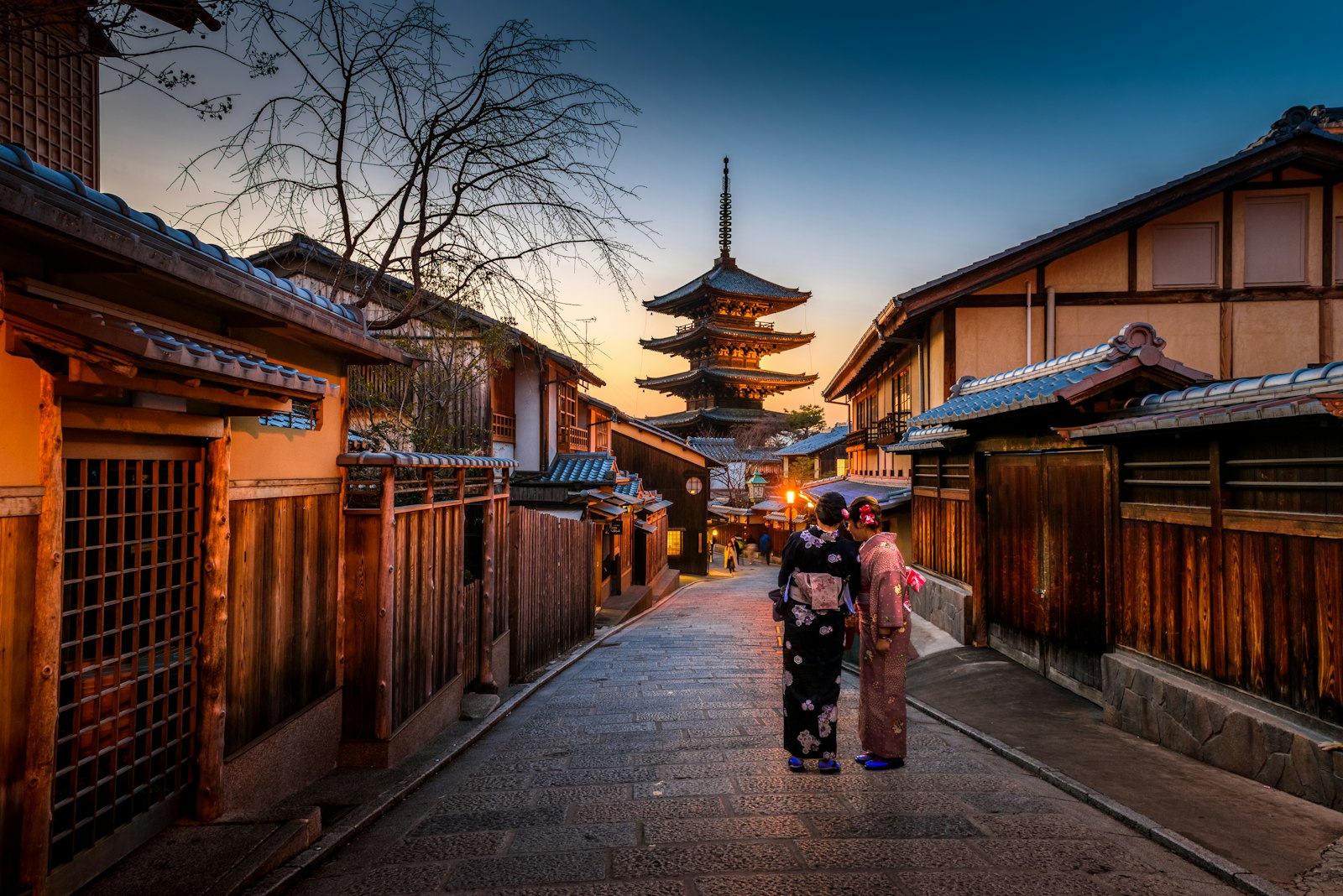
Kyoto — Japan's Cultural Soul Kyoto was Japan's imperial capital for over a thousand years, and it remains the country's cultural heart — a city of extraordinary density of UNESCO-listed temples, shrines, and historic districts. With over 1,600 Buddhist temples and 400 Shinto shrines within the city limits, Kyoto offers a lifetime of exploration. The iconic highlights — Fushimi Inari's vermilion torii gates, Arashiyama's bamboo grove and the Tenryu-ji Zen garden, Kinkaku-ji (the Golden Pavilion) reflected in its mirror pond, the geisha district of Gion, and the Philosophers' Path lined with cherry trees — are justifiably famous. But Kyoto also rewards deeper exploration of its quieter neighborhoods, traditional craft workshops, tea ceremony schools, and seasonal festivals.
Osaka — Japan's Kitchen and Comic Capital Osaka is Japan's most extroverted and food-obsessed city — a place where the local greeting translates roughly as "are you eating well?" and where the concept of kuidaore (eating until you drop) is embraced as a civic philosophy. The Dotonbori canal district blazes with neon, mechanical crabs, and the irresistible aromas of takoyaki, okonomiyaki, and kushikatsu from a thousand stalls and restaurants. Osaka Castle, the peaceful Nakanoshima island park, the vibrant Kuromon Ichiba (Osaka's Kitchen) market, and the Universal Studios Japan theme park complete a city that is simultaneously essential cultural destination and pure joyful experience.
Hiroshima and Miyajima — Peace and Sacred Beauty Hiroshima is one of the world's most profoundly important cities — rebuilt from the unimaginable devastation of August 6, 1945, into a beautiful, peaceful, forward-looking metropolis. The Peace Memorial Park and Museum are among the most moving and important cultural sites anywhere on earth, housing the preserved ruins of the Atomic Bomb Dome (Genbaku Dome) as a permanent memorial. A short ferry ride from Hiroshima brings visitors to the sacred island of Miyajima, where the great vermilion O-torii gate of Itsukushima Shrine appears to float on the tidal waters — one of Japan's three most celebrated scenic views.
Hakone — Mount Fuji Country Hakone, the volcanic resort region an hour southwest of Tokyo by Romancecar express train, is Japan's most accessible window onto Mount Fuji. The Hakone Open-Air Museum displays world-class sculpture against a mountain backdrop; the Hakone Ropeway gondola crosses over volcanic steam vents at Owakudani with spectacular Fuji views on clear days; and Lake Ashi's mirror surface reflects the mountain in the golden morning light. Most importantly, Hakone is Japan's greatest concentration of traditional onsen ryokans — a night soaking in volcanic spring water while contemplating Fuji across the valley is an experience that defines the best of Japanese culture.
Nara — The Ancient Capital of Deer Japan's first permanent capital, established in 710 AD, Nara is now best known for Nara Park — where over 1,000 sika deer, considered sacred messengers of the Shinto gods, roam freely among tourists and locals with complete confidence. The park also contains some of Japan's oldest and most important monuments, including Todai-ji Temple housing the world's largest bronze Buddha statue (over 15 metres tall), the ancient Kasuga Taisha Shrine hung with hundreds of stone and bronze lanterns, and Horyu-ji Temple — one of the world's oldest surviving wooden structures, built in 607 AD.
Chiang Rai — Oh wait, let's get back to Japan
Kanazawa — Japan's Hidden Gem Often called "Little Kyoto," Kanazawa on the Sea of Japan coast combines remarkably well-preserved samurai and geisha districts with Kenroku-en — consistently ranked Japan's most beautiful landscape garden. The city escaped bombing during World War II, leaving its historic neighborhoods of Higashi Chaya (geisha district), Nagamachi (samurai quarter), and the old merchant town of Kazuemachi intact. Kanazawa is also Japan's premier city for traditional crafts — gold leaf production, Kaga Yuzen silk dyeing, and Kutani porcelain all originate here, and craft workshops welcome visitors throughout the city.
Hokkaido — Japan's Northern Wilderness Japan's northernmost main island is a world apart from the rest of the country — vast, sparsely populated, covered in dense forest, dramatic volcanic caldera lakes, and rolling agricultural plains that look more like northern Europe than Asia. Sapporo, the island's sophisticated capital, is famous for its annual Snow Festival (February), miso ramen, beer, and the nearby Niseko ski resort — consistently ranked among the world's top ski destinations for its extraordinary powder snow. The lavender fields of Furano in summer, the bear-viewing of Shiretoko National Park, and the ethereal blue of Shirogane Blue Pond make Hokkaido a destination of extraordinary natural beauty.
Riding the Shinkansen Bullet Train The journey between Tokyo and Kyoto on the Tokaido Shinkansen is one of the world's great train experiences — 450 kilometres covered in just 2 hours and 15 minutes at speeds reaching 285 km/h, with Mount Fuji appearing majestically through the right-hand window on clear days between Shin-Fuji and Shin-Yokohama stations. The Japan Rail Pass makes unlimited Shinkansen travel affordable and is essential for multi-city itineraries.
Traditional Tea Ceremony — Kyoto Participate in a traditional Japanese chado (tea ceremony) in Kyoto — the epicenter of the art — guided by a tea master through the precise, meditative ritual of preparing and serving matcha in a serene tatami tea room. The ceremony encapsulates the Japanese aesthetic philosophy of wabi-sabi — finding beauty in imperfection and transience — and provides a window into Japanese culture that no amount of temple-visiting alone can offer.
Fushimi Inari Pre-Dawn Walk The thousands of vermilion torii gates of Fushimi Inari Taisha shrine climb four kilometres up forested Mount Inari behind Kyoto, creating one of Japan's most iconic and photographed experiences. Walking the entire mountain trail takes 2–3 hours; arriving before 6 AM means experiencing the lower gates in near-complete solitude before the crowds arrive, with the misty forest light filtering through the orange tunnel in an atmosphere of extraordinary tranquility.
Onsen Ryokan Experience — Hakone or Beppu Spend one or two nights at a traditional Japanese ryokan — sleeping on a futon in a tatami room, wearing a yukata (cotton robe), and bathing in the establishment's private or communal onsen (volcanic hot spring bath). Evenings begin with a multi-course kaiseki dinner served in your room by a dedicated attendant. This is Japan's most immersive cultural experience and the one that most consistently reduces visitors to speechless admiration.
teamLab Borderless or Planets — Tokyo teamLab's immersive digital art museums in Tokyo are among the most extraordinary art experiences available anywhere in the world. In teamLab Planets (Toyosu), visitors wade through knee-deep water covered in reflections of infinite flowers, walk through rooms where crystal formations grow from floor to ceiling in response to movement, and lie in a room of infinite floating light orbs that change color at your touch. In teamLab Borderless (Azabudai Hills, 2024 reopening), 10,000 square metres of digital art installations flow, evolve, and interact with visitors across 60 rooms without boundaries or maps.
Sumo Tournament Attend a professional sumo tournament at the Kokugikan arena in Tokyo (January, May, September) or in Osaka (March), Nagoya (July), or Fukuoka (November). Watching Japan's ancient national sport live — enormous athletes performing sacred pre-bout rituals before explosive bouts often lasting less than five seconds — in the charged atmosphere of a partisan crowd is one of Japan's most electrifying cultural experiences. Tickets sell out fast; book well in advance.
Hiroshima Peace Memorial Visit A visit to the Hiroshima Peace Memorial Museum and the Atomic Bomb Dome is one of travel's most important and emotionally profound experiences. The museum's meticulous documentation of the events of August 6, 1945, and their human consequences is confronting, essential, and ultimately hopeful — the surrounding Peace Memorial Park and the city of Hiroshima itself standing as testament to human resilience and the possibility of renewal.
Cycling the Shimanami Kaido The Shimanami Kaido is a 70-kilometre cycling route crossing six islands between Onomichi (near Hiroshima) and Imabari in Shikoku via a series of spectacular suspension bridges over the Seto Inland Sea. Widely regarded as one of the world's great cycling routes, the Kaido passes through lemon orchards, traditional fishing villages, temple gardens, and viewpoints over turquoise island-dotted water. Bicycles are available to rent at every island and can be dropped off at any rental station along the route.
teamLab Borderless Tokyo Reopening — Azabudai Hills (2024) After relocating from Odaiba, teamLab Borderless reopened at the spectacular new Azabudai Hills complex in Tokyo in 2024 — a new purpose-built space even larger and more extraordinary than the original, cementing its position as one of the world's most visited art museums.
Osaka World Expo 2025 Osaka is hosting the World Expo 2025 from April to October 2025 on Yumeshima Island, with the theme "Designing Future Society for Our Lives." Over 160 countries are participating with national pavilions, and Japan's own pavilion — along with India's — promises to be among the highlights of this once-in-a-generation global event coinciding beautifully with any Japan visit in 2025.
Hokuriku Shinkansen Extension to Tsuruga (2024) The Hokuriku Shinkansen line extended from Kanazawa to Tsuruga in March 2024, significantly improving access to the underexplored Japan Sea coast region including Fukui (famous for dinosaur fossils, ancient temples, and exceptional seafood) and bringing it within comfortable day-trip range of Kyoto and Osaka.
New Luxury Shinkansen — The Azuma A new ultra-luxury slow Shinkansen experience has been introduced on the Tohoku line, offering panoramic glass observation cars, premium multi-course dining featuring local ingredients from the regions the train passes through, and an entirely new model of appreciating Japan's landscapes from the rails.
Japan Tourism Recovery and Record Indian Arrivals (2024) Japan received a record number of Indian tourists in 2024 following the post-pandemic recovery, and the Japan Tourism Agency has launched dedicated programs in Hindi, expanded Indian vegetarian restaurant listings across major cities, and introduced India-specific travel packages in partnership with Japanese travel companies — making this an exceptionally well-timed moment for Indian travelers to visit.
Hiking Mount Fuji Japan's most iconic mountain (3,776 metres) is officially open for climbing from early July to mid-September, with four main trails ascending from different compass points. The Yoshida Trail from Kawaguchiko is the most popular; most climbers begin the ascent at midnight to reach the summit crater rim in time for the sacred goraikō (sunrise at the summit). The experience of watching the sun rise above the clouds from the top of Japan's holiest mountain is genuinely transcendent — and the descent reveals views across the Fuji Five Lakes and the Pacific Ocean. Physical fitness is required; altitude sickness is possible above 3,000 metres.
Skiing and Snowboarding in Niseko — Hokkaido Niseko on Hokkaido is one of the world's premier ski destinations, receiving an average of 15 metres of exceptionally light, dry powder snow each winter — among the heaviest snowfall of any ski resort on earth. Four interconnected resorts (Grand Hirafu, Niseko Village, Annupuri, and Hanazono) offer terrain for every level, and the surrounding area has developed an extraordinary international resort infrastructure with excellent accommodation, après-ski dining, and onsen facilities. The ski season runs from December to April; January and February offer peak powder conditions.
White-Water Rafting in Minakami Minakami in Gunma Prefecture, two hours from Tokyo, is Japan's adventure sports capital — offering white-water rafting on the Tone River, canyoning through narrow river gorges, bungee jumping from a 42-metre bridge, kayaking, and stand-up paddleboarding in a mountainous national park setting. The spring snowmelt season (April–May) provides the most exciting river conditions.
Kayaking the Kerama Islands — Okinawa The Kerama Islands, a short ferry ride from Naha (Okinawa's capital), offer some of the clearest water in the world — visibility often exceeding 40 metres — in a subtropical archipelago of coral reefs, mangrove channels, and deserted beaches. Sea kayaking through the island passages, snorkeling the pristine reefs, and watching humpback whales (January–March) make Okinawa Japan's finest marine adventure destination.
Trekking the Kumano Kodo Pilgrimage Routes The Kumano Kodo is a network of ancient pilgrimage trails through the Kii Mountains of Wakayama Prefecture — one of only two pilgrimage routes in the world designated as a UNESCO World Heritage Site (the other being the Camino de Santiago in Spain). The trails pass through ancient cryptomeria forest, mountain villages, waterfalls, and sacred shrine complexes that have drawn pilgrims for over 1,000 years. Multi-day guided treks with overnight stays at traditional minshuku (family inns) are available.
Cycling the Shimanami Kaido As mentioned above, the 70-kilometre Shimanami Kaido cycling route between Hiroshima Prefecture and Shikoku across the Seto Inland Sea is one of Asia's greatest cycling experiences, combining spectacular suspension bridge crossings, island hopping, ancient temples, and sea views in a well-supported route with rental bicycles available at every island.
Paragliding over the Japanese Alps The Matsumoto and Nagano areas of the Japanese Alps offer paragliding flights above spectacular mountain scenery — rice terraces, alpine valleys, and distant volcanic peaks — in some of Japan's most beautiful highland landscapes. Tandem flights with certified instructors are available for first-time paragliders.
Sukiyabashi Jiro Honten — The World's Most Famous Sushi Location: Ginza, Tokyo Must-Try: The 20-piece omakase tasting menu by master sushi chef Jiro Ono (subject of the documentary Jiro Dreams of Sushi); each piece of nigiri is prepared entirely by hand with rice at body temperature and fish aged and treated with meticulous craft. Three Michelin stars; reservations require months of advance booking through a concierge.
Kikunoi Honten — Kaiseki Perfection Location: Higashiyama, Kyoto Must-Try: The seasonal kaiseki multi-course menu; each dish reflects a specific seasonal ingredient, preparation technique, and aesthetic principle — a complete expression of Kyoto culinary philosophy served in lacquerware and hand-painted ceramics in a beautiful traditional setting. Three Michelin stars.
Ichiran — The Perfect Solo Ramen Location: Multiple branches across Japan; original in Fukuoka Must-Try: Tonkotsu ramen ordered through a vending machine, customized to your precise preference for noodle firmness, broth richness, and spice level, served at an individual booth with a bamboo privacy screen — Ichiran's extraordinary system for delivering a single-minded focus on the perfect bowl of ramen without distraction.
Kichi Kichi — Omurice Theater Location: Kyoto Must-Try: Omurice — fried rice wrapped in a thin egg omelette, prepared by chef Motokichi Yukimura with extraordinary theatrical flair: a perfectly cooked egg parcel is placed on the rice mound and sliced open with a single blade stroke, the silky egg cascading over the rice like lava. One of Kyoto's most joyful and viral dining experiences.
Daiwa Sushi — Tsukiji Market Fresh Location: Tsukiji Outer Market, Tokyo Must-Try: The early-morning nigiri sushi breakfast featuring fish purchased directly from Tsukiji's market vendors that morning. Arrive before 6 AM and join the queue for some of Tokyo's freshest and most reasonably priced premium sushi.
Takoyaki — Osaka's iconic spherical snacks of battered octopus pieces cooked in a special molded iron griddle, topped with okonomiyaki sauce, mayonnaise, dried bonito flakes, and aonori seaweed; the perfect food — simultaneously crispy outside and molten inside — available from stalls throughout Dotonbori.
Yakitori — Charcoal-grilled chicken skewers in every possible configuration (breast, thigh, liver, cartilage, skin) seasoned with tare sauce or salt; consumed standing at street-level izakaya counters throughout every Japanese city from early evening.
Onigiri — Triangular rice balls wrapped in nori seaweed and filled with salmon, tuna mayo, pickled plum, or seasoned cod roe; Japan's perfect portable meal, available from every convenience store (7-Eleven Japan's are genuinely exceptional) and specialist onigiri shops.
Taiyaki — Fish-shaped waffle pastries filled with sweet red bean paste, custard, or chocolate; a beloved Japanese street snack particularly associated with autumn and winter; found at festival stalls and specialty shops throughout Japan.
Crepes — Harajuku Tokyo — Harajuku's Takeshita Street is famous for its extraordinary sweet and savory paper-thin crepes, filled with fresh strawberries, whipped cream, ice cream, and endless combinations; a perfect Harajuku snack accompanying any exploration of the street's extraordinary fashion subculture.
Akihabara Electric Town — Tokyo Tokyo's legendary electronics and anime district is a sensory overload of multi-story shops selling the latest electronics, gaming equipment, anime merchandise, manga, figurines, and retro gaming goods. Yodobashi Camera and BIC Camera are the largest electronics retailers; dozens of specialist shops for every niche interest line the streets and fill multi-story buildings. A paradise for technology enthusiasts and pop culture fans.
Nishiki Market — Kyoto's Kitchen Kyoto's 400-year-old covered market street is packed with narrow stalls selling pickled vegetables, fresh tofu, Kyoto sweets, matcha products, dashi stock, Japanese knives, ceramics, and every ingredient essential to Kyoto cuisine. Walking the full length while tasting as you go is one of Kyoto's great food experiences — arrive before noon for the freshest selection.
Nakamise Shopping Street — Asakusa, Tokyo The approach street to Senso-ji Temple in Asakusa is lined with over 80 shops selling traditional Japanese souvenirs — folding fans, chopsticks, tenugui hand towels, kokeshi dolls, ninja accessories, matcha snacks, and Tokyo-specific omiyage (gift snacks). The most accessible and authentically atmosphere-rich souvenir shopping in Tokyo.
Doguyasuji Knife Street — Osaka Osaka's Doguyasuji is a street entirely dedicated to professional kitchen equipment — and particularly to Japanese knives, which are widely considered the finest in the world. Watching a master knife sharpener at work and then purchasing a hand-forged Japanese kitchen knife to bring home is one of Japan's most rewarding shopping experiences for food enthusiasts.
Harajuku Takeshita Street — Tokyo The epicenter of Japanese youth fashion and pop culture, Takeshita Street in Harajuku is a compact, intensely creative strip of boutiques selling the extraordinary street fashion subcultures — Lolita, Decora, Fairy Kei, and more — that have made Japanese street style globally influential. Even for those not purchasing, it is one of the world's most fascinating street-level cultural experiences.
Kyoto Craft Shops — Gion and Higashiyama The cobbled lanes of Kyoto's Higashiyama district leading to Kiyomizu-dera Temple are lined with beautifully curated shops selling genuine Kyoto crafts — Kiyomizu pottery, hand-painted fans, incense, Buddhist goods, and high-quality wagashi confectionery. More expensive than souvenir markets but offering genuine artisan quality and authenticity.
Japan is largely cash-based — always carry sufficient yen; many restaurants, smaller shops, and rural establishments do not accept cards. 7-Eleven ATMs reliably accept foreign cards
Tax-free shopping is available at participating retailers for purchases over 5,000 yen by foreign tourists; present your passport at the tax-free counter
Omiyage culture — the Japanese tradition of bringing gifts for family and colleagues from every trip means Japan has the world's most extraordinary selection of regional food gift boxes; every train station has a superb omiyage shop
Store hours — most shops open 10:00 AM to 8:00 PM; department stores typically 10:00 AM to 9:00 PM; convenience stores (konbini) operate 24 hours
Bargaining is essentially non-existent in Japan — prices are fixed virtually everywhere; the one exception is some antique and flea markets where gentle negotiation may be appropriate
Budget: ₹90,000 – ₹1,40,000 Covers capsule hotels or budget guesthouses (hostels), Japan Rail Pass for inter-city travel, convenience store meals and ramen shops, and self-guided sightseeing. Japan is manageable on a budget with careful planning — the Japan Rail Pass, 7-Eleven meals, and free temple grounds make it more affordable than many expect.
Mid-Range: ₹1,40,000 – ₹2,50,000 Includes business hotels or boutique accommodations, Japan Rail Pass, guided cultural experiences, tea ceremony participation, one ryokan night in Hakone, restaurant dining, and a full range of paid attractions. Ideal for couples, families, and most first-time visitors seeking a balanced experience.
Luxury: ₹2,50,000 – ₹5,00,000+ Covers premium ryokan stays with private onsen, business or first-class Shinkansen, omakase dining experiences, private guided tours with expert cultural interpreters, helicopter Fuji flights, and exclusive tea ceremony and craft master workshops. Japan's luxury offering is among the world's most refined and rewarding at the top end.
Flights (Round Trip): ₹45,000 – ₹90,000 from major Indian cities
Japan Rail Pass (14-day Ordinary): approximately ₹40,000 — essential for multi-city travel
Budget Hotel/Capsule Hotel: ₹2,500 – ₹5,000 per night
Business Hotel (Toyoko Inn, APA): ₹5,000 – ₹10,000 per night
Traditional Ryokan (with dinner and breakfast): ₹15,000 – ₹50,000+ per night per person
Ramen / Conveyor Sushi / Convenience Store Meal: ₹500 – ₹1,200
Restaurant Dinner: ₹2,000 – ₹8,000 per person
teamLab Planets Entry: approximately ₹1,800 per person
Mount Fuji Climbing Fee: ₹1,500 (conservation fee, Yoshida Trail)
Purchase the Japan Rail Pass before leaving India — it cannot be bought in Japan at the discounted tourist price and represents extraordinary value for multi-city itineraries
Eat at conveyor-belt sushi restaurants (kaiten-zushi), ramen shops, gyudon beef bowl chains, and convenience stores for excellent food at very affordable prices
Visit during winter (January–February, excluding New Year) or late autumn for the lowest hotel prices and fewest crowds
Use IC cards (Suica or Pasmo) for all local trains, buses, and convenience store payments — reloadable, universally accepted, and faster than buying individual tickets
Many of Japan's most beautiful experiences are free — temple grounds, Fushimi Inari trail, Arashiyama bamboo grove, Nara deer park, and most Shinto shrines charge no entry fee
Book Japan tour packages from India bundling flights, rail passes, accommodation, and guided experiences for the best overall value and logistical simplicity
Not Getting a Japan Rail Pass Before Departure The Japan Rail Pass — which covers unlimited travel on virtually all Shinkansen and JR trains nationwide — must be purchased outside Japan at a significantly discounted tourist price. Buying individual Shinkansen tickets in Japan costs roughly three times as much. Purchase your pass before leaving India through an authorized agent; it is the single most important financial decision of a Japan trip.
Carrying Insufficient Cash Japan remains remarkably cash-dependent for a technologically advanced country. Many restaurants, smaller shops, rural inns, and traditional establishments accept only cash. ATMs at 7-Eleven convenience stores and Japan Post offices reliably accept foreign cards; bank ATMs often do not. Always carry at least ¥10,000–¥20,000 in cash at all times.
Ignoring Onsen Etiquette Japanese public bath (onsen) protocol is specific and important: shower and wash thoroughly before entering the bath; never bring a towel into the water; tattoos are prohibited at most onsen (a policy that is enforced); maintain silence and avoid splashing. Violating onsen etiquette causes genuine offense and discomfort to other bathers.
Eating or Drinking While Walking Consuming food or beverages while walking is considered rude in Japan — even on crowded streets. Street food like takoyaki and ice cream is meant to be eaten while standing still at the stall. On Shinkansen trains, eating is acceptable; on local metro trains, eating is generally frowned upon except on designated sightseeing trains.
Ignoring the IC Card System Navigating Tokyo, Osaka, and Kyoto's local train and metro networks without a Suica or Pasmo IC card is unnecessarily slow and complicated. These reloadable cards work on virtually all local trains, buses, trams, and convenience stores throughout Japan. Load ¥3,000–¥5,000 at the start of each day and tap in and out without needing to purchase individual tickets.
Underestimating Temple and Shrine Volume Kyoto alone has over 1,600 temples and shrines. Attempting to visit too many in a single day produces what Japanese travelers call "temple fatigue" — a glazed indifference to the fifteenth magnificent golden pagoda of the day. Select five to eight truly exceptional temples per city, spend genuine time at each, and leave room for wandering without purpose — the quieter side streets of Kyoto and Nara reward slow exploration as richly as the headline attractions.
Not Booking Accommodation and Experiences in Advance Japan's most desirable ryokans, popular restaurant reservations (especially sushi omakase), teamLab tickets, and Shinkansen seats during cherry blossom season and autumn foliage peak periods sell out months in advance. Begin booking accommodation and key experience tickets as soon as your travel dates are confirmed — ideally 3–6 months ahead for peak season travel.
Tipping Tipping is not merely unnecessary in Japan — it can be considered mildly offensive, as it implies that the server or service provider requires an additional incentive to deliver excellent service. Japanese hospitality culture holds that exceptional service is a given, delivered with omotenashi as an expression of professional pride. Simply expressing sincere gratitude (arigatou gozaimasu) is the appropriate and welcome acknowledgment.
No packages available for this destination yet. Check back soon!
Browse All PackagesEverything you need to know about Japan